

By Patricia Patterson, PhD
Have you ever felt a moment when creating something felt less like “making art” and more like having a conversation? That feeling is your invitation into Earth’s creative intelligence.
Beyond Words: Creative Languages of Reconnection
Picture this: You’re standing in a forest, trying to explain to a friend what it feels like to be surrounded by these ancient trees. Words fall short, don’t they? “Beautiful” seems too small. “Peaceful” doesn’t capture the aliveness. “Majestic” feels borrowed from someone else’s experience.
This is where creative expression becomes our translator—helping us speak the language that flows between human consciousness and Earth’s intelligence.
🦋 “There’s an ancient conversation happening all around us, all the time—the trees whispering to the wind, the water singing to the stones, the soil dreaming with the seeds. Creative practice is how we join this conversation, how we become translators for Earth’s endless love songs to herself.”
Why Creative Expression Matters for Reconnection
Creative expression isn’t something we do after reconnecting with nature—it is itself a way of knowing ecological truth through embodied engagement. When we move, make sounds, create visual art, or craft words in direct response to natural elements, we activate multiple sensory systems simultaneously, creating neural pathways that purely verbal approaches simply cannot achieve.
Think about it: When did a scientific fact about trees ever make you feel the way you do when you actually touch bark or hear leaves rustling?
🚫 The Creative Disconnectedness State: When Art Becomes Abstract
We’ve all been there—that moment in an art class when the joy gets sucked out of creating because suddenly it’s about:
Common Signs of Creative Disconnectedness:
- Product obsession → “This has to look good”
- Rule following → “Is this the right technique?”
- Performance anxiety → “What will people think?”
- Imitation over authenticity → “I should make it like that example”
- Art vs. life separation → “This is my creative time, separate from real life”
A Personal Story: I once watched my neighbor’s 6-year-old daughter spend an hour arranging fallen leaves into patterns in her backyard. She was completely absorbed, talking softly to the leaves, rearranging them with the focused attention of a master craftsperson. When her grandmother came out and said, “That’s nice, honey, but it’s not really art,” I watched the light go out of her eyes. That’s the moment we lose our natural creative connection—when someone tells us it’s not “real” enough.
🤔 Reflection Question: When did you first feel self-conscious about creating something? What would it feel like to return to that earlier, more natural creative state?
✨ The Creative Connectedness State: When Creation Becomes Conversation
In contrast, when we create from a Connectedness state, something magical happens. Creative expression blossoms:
Hallmarks of Connected Creativity:
- Process-focused → The journey matters more than the destination
- Responsive → You’re having a dialogue with materials and environment
- Playful → Mistakes become discoveries
- Integrated → Creating feels like natural extension of living
- Emergent → Surprises arise that you couldn’t have planned
Another Story: My friend George, a typically serious accountant, discovered something profound during a weekend workshop. We were making temporary art with found materials in a local park. As he carefully balanced a twig against a stone, a breeze knocked it over. Instead of frustration, he laughed and said, “The wind wants to be part of this!” He spent the next hour creating structures designed to dance with the wind rather than resist it. That evening, he called it “the first time I felt like nature and I were on the same team was in our shared creation Wind Art”
🦋 “What I love most is watching someone discover they’re not working with materials—they’re dancing with them. The wood begins to suggest its own grain, the stone reveals its hidden colors, the clay whispers what it wants to become. Suddenly creating becomes this tender conversation where you’re both speaking and listening at once.”
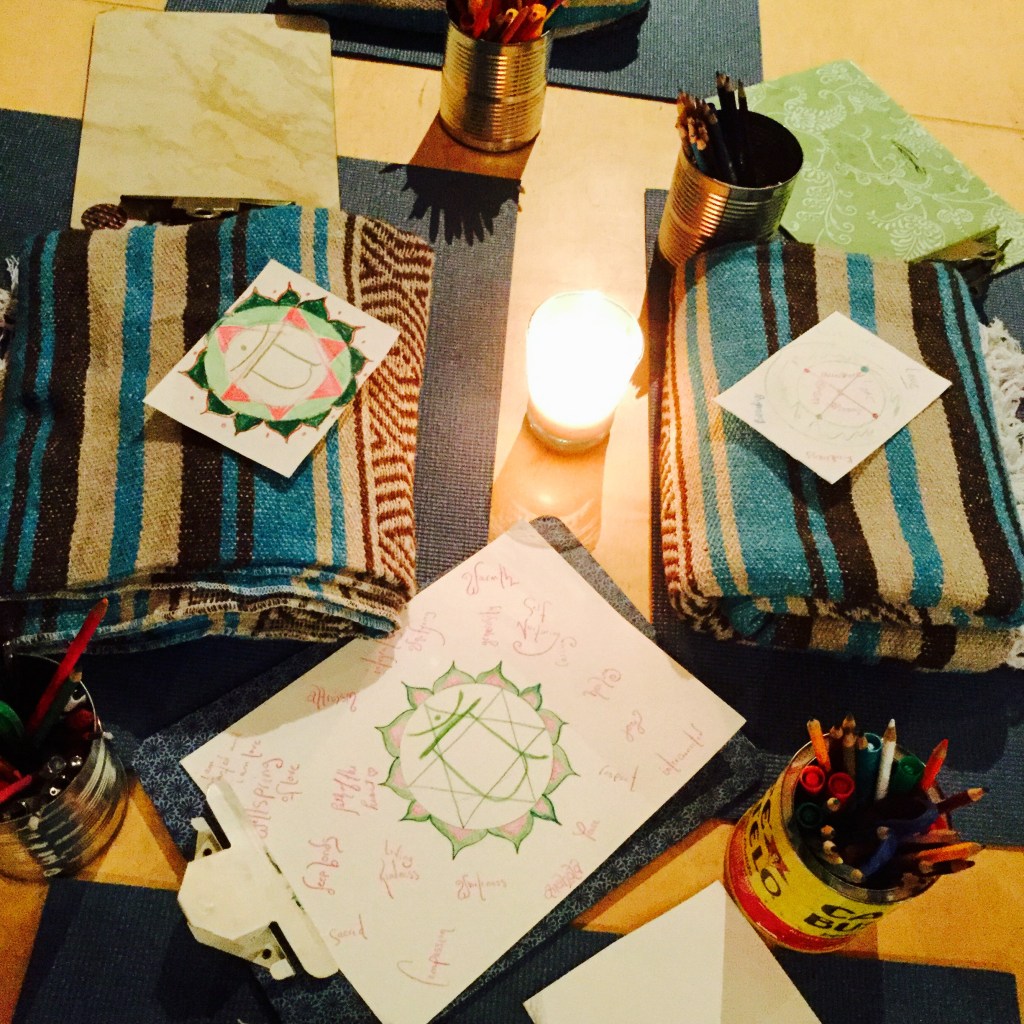
🛠️ Creative Practices for Ecological Reconnection
Practice 1: Movement Dialogue with Natural Elements
What you’ll discover: How your body can literally converse with the world around you.
What you’ll need:
- 15-20 minutes
- A place where you can observe movement in nature
- Willingness to look a little silly
Step-by-step process:
- Observe first → Find something moving (trees swaying, water flowing, clouds drifting)
- Start small → Let your hands or shoulders subtly mirror what you’re seeing
- Gradually expand → Allow your whole body to join the conversation
- Notice resistance → What movements feel easy? Which feel awkward?
- Keep the dialogue alive → Let nature’s changes influence your changes
- End with gratitude → Thank your movement partner
Real experience: “I felt ridiculous at first, trying to move like the creek behind my house. But after a few minutes, something shifted. I stopped trying to copy the water and started feeling its rhythm in my body. When I walked away, I carried that flowing feeling with me all day.” —Sarah, workshop participant
🤔 Try This: What natural movement in your immediate environment could you have a conversation with right now?
Practice 2: Sound Resonance with Place
What you’ll discover: How different environments literally change your voice and call forth different sounds.
The experiment:
- Visit 3-4 different spaces (forest, open field, your bathroom, near water)
- In each space, listen in silence for 2-3 minutes first
- Create a simple hum or vocal tone
- Notice how the same sound feels different in each environment
- Let each place “teach” you what sounds want to emerge there
Surprising insight: Most people discover they naturally make higher, clearer sounds in open spaces and deeper, richer tones in enclosed areas. The environment isn’t just receiving your sound—it’s shaping it.
🦋 I teach people to begin with listening—really listening—until they can feel where their voice wants to join the soundscape rather than dominate it. When a human voice finds its place in the symphony of crickets and wind and rustling leaves, something sacred happens. The whole landscape exhales with relief, as if to say: ‘Finally, you’re home.’
🚧 Navigating Creative Blocks and Resistance
Let’s be honest—most of us carry creative wounds. Here are the most common blocks and gentle ways through them:
“I’m Not Artistic/Musical/Poetic”
The truth: You’ve been creating your whole life. Every meal you’ve prepared, every way you’ve arranged your living space, every gesture you’ve made—all creative acts.
The gentle shift: Start with what feels natural. Love to move? Begin there. Enjoy organizing? Try arranging natural materials. Trust that your creative intelligence is already alive.
🤔 Community Question: What would it look like to organize a monthly collaborative earth art gathering in your area? Who might be interested in joining you?
“I Don’t Know the Right Techniques”
The reframe: Earth-based creativity isn’t about technique—it’s about relationship. A child building sandcastles isn’t using “proper technique,” but they’re in perfect creative relationship with sand and water.
“I Feel Silly or Self-Conscious”
The medicine: Natural settings often dissolve self-consciousness in ways indoor spaces can’t. There’s something about being surrounded by non-judgmental life that reminds us play is natural.
Personal story: My most self-conscious student was John, a retired engineer who insisted he “didn’t have a creative bone in his body.” During our third outdoor session, while everyone else was making art, he started carefully building a small dam in a stream “just to see how the water would respond.” Two hours later, he looked up with muddy hands and a huge grin: “I think I’ve been an artist all along—I just didn’t know it.”
💝 Gentle Reminder: Earth doesn’t critique your creative expression. It only receives and responds. What would it feel like to trust that receptivity?
The Beauty of Impermanence
One of the most profound lessons earth-based creativity offers is the beauty of temporality. When we create with natural materials in natural settings, our creations naturally participate in cycles of change, decay, and regeneration.
A student’s insight: “At first, I was sad watching my earth sculpture wash away in the rain. Then I realized—that’s exactly what it was supposed to do. It wasn’t separate from nature; it was part of nature’s ongoing creativity.”
Ready to let Earth be your creative collaborator? EarthBody 365 work offers profound insights into somatic reconnection, combining Applied Eco-Arts, Ecopsychology, and Natural Attraction Ecology to provide practical tools for embodied ecological awareness. Your direct experience remains the ultimate teacher. Explore coursework, certification programs, and 1:1 mentoring opportunities with Patricia, or start by subscribing to her weekly EarthBody-The Podcast on Spotify for regular doses of embodied ecological wisdom.
 EarthBody 365
Leave a comment